How to make black bean tacos that actually taste like the ones from that place you keep going back to

- Updated on Apr 17, 2026
You know that feeling when you walk into your favorite taco spot and the smell hits you before you even order? That deep, smoky aroma mixed with fresh cilantro and lime that makes your mouth water instantly. I’ve been chasing that exact sensation in my own kitchen for years.
It started during a particularly rough patch when I was working late nights at a soul-crushing marketing job. There was this hole-in-the-wall place near my office that made the most incredible black bean tacos. Nothing fancy.
Just perfectly seasoned beans, fresh toppings, and that indefinable something that kept me coming back three times a week. When I finally left that job at 32 to pursue writing, I lost access to those tacos. But I gained the time to figure out how to recreate them.
After dozens of attempts and way too many mediocre batches of beans, I cracked the code. The secret isn’t just in the recipe. It’s in understanding why restaurant tacos taste the way they do and how to replicate those conditions in your home kitchen.
The foundation starts with dried beans
Here’s the truth nobody wants to hear: canned black beans will never get you there. I know, I know. Canned beans are convenient. But those tacos you’re obsessed with? They’re using beans that have been simmering for hours, absorbing layers of flavor you can’t get from a can.
Start with dried black beans. Soak them overnight in salted water. This isn’t just about softening them. Salt penetrates the beans during soaking, seasoning them from the inside out. The next morning, drain them and get ready for the magic.
In a large pot, sauté a whole onion (quartered), four garlic cloves (smashed), and a jalapeño (halved) in oil until they’re slightly charred. This charring is crucial. It adds that subtle smokiness you taste but can’t quite identify in restaurant tacos. Add your soaked beans, cover with water by two inches, and throw in a bay leaf and a tablespoon of cumin seeds.
Simmer for two hours. Not one hour. Not ninety minutes. Two full hours. The beans need time to break down slightly, creating that creamy-yet-intact texture that makes perfect taco filling. Salt them heavily in the last thirty minutes of cooking.
Master the art of the refry
Once your beans are cooked, you’re only halfway there. The transformation happens in the refrying process, and this is where most home cooks go wrong. They either skip this step entirely or do it halfheartedly.
Strain your beans but save that cooking liquid. It’s liquid gold. Heat a cast iron skillet until it’s screaming hot. Add more oil than feels reasonable. We’re talking three tablespoons for two cups of beans. This isn’t health food. This is about flavor.
Add your beans to the hot oil and let them sizzle without stirring for a full minute. Then start mashing. Not all of them. Leave about a third whole for texture. Add splashes of that reserved bean liquid as you mash, creating a consistency somewhere between chunky and creamy.
Here’s where you build the flavor profile. Add a teaspoon of smoked paprika, another hit of cumin, and a squeeze of lime juice. Taste constantly. Adjust. The beans should be aggressively seasoned, almost to the point where you think it might be too much. Remember, they’re going into a taco with other ingredients. They need to hold their own.
Temperature changes everything
This might sound obsessive, but temperature management is what separates good tacos from transcendent ones. Every component should be the right temperature when assembled.
Your beans need to be hot. Not warm. Hot. Keep them on low heat, stirring occasionally. Your tortillas need to be warmed properly, and this doesn’t mean thirty seconds in the microwave. Heat a dry skillet or griddle until a drop of water dances on the surface. Press each tortilla down for thirty seconds per side until you see light char marks and smell that toasted corn aroma.
Even your cold ingredients matter. Your lettuce should be crisp and actually cold, straight from the fridge. Your sour cream should be chilled. These temperature contrasts create a dynamic eating experience that keeps your palate interested bite after bite.
Build your tacos with intention
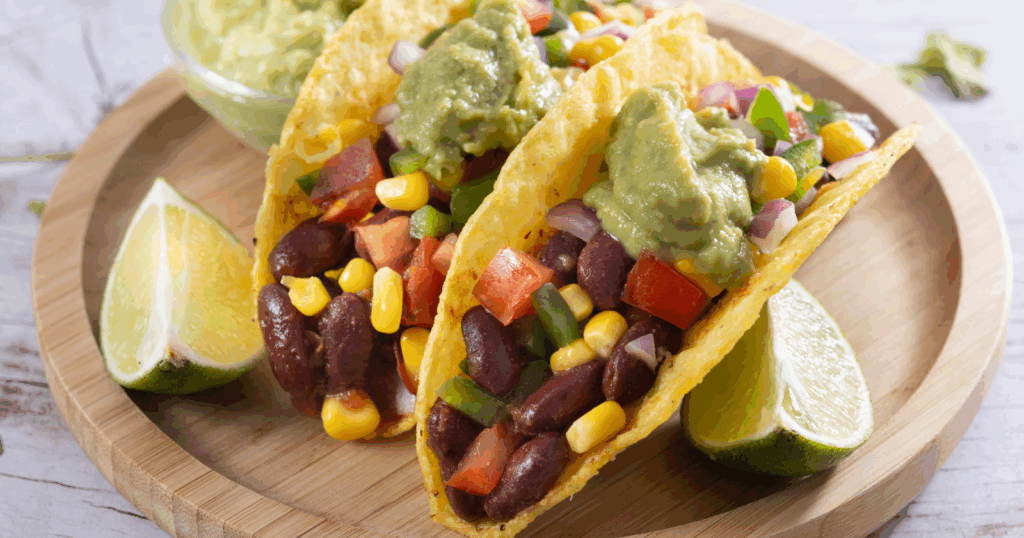
Assembly isn’t just slapping ingredients into a tortilla. There’s a method here that makes all the difference. Start with your hot tortilla. Add a generous schmear of beans while they’re still steaming. The heat from the beans will create a slight seal with the tortilla, preventing sogginess.
Next comes cheese. Add it directly onto the hot beans so it starts melting immediately. Use a sharp white cheddar or a Mexican cheese blend. Skip the pre-shredded stuff. It’s coated with cellulose that prevents proper melting. Grate your own. It takes thirty seconds and changes everything.
Now for the cold elements. Shredded iceberg lettuce adds crucial crunch and freshness. Don’t use fancy greens here. You want that satisfying crisp that only iceberg provides. A dollop of sour cream, some pickled jalapeños if you like heat, and fresh cilantro.
The final touch is fresh lime juice. Not from a bottle. Cut a lime wedge and squeeze it directly over the assembled taco. This bright acidity ties everything together and cuts through the richness of the beans and cheese.
The mindset makes the meal
Here’s something I learned when I started approaching cooking as a mindfulness practice: the energy you bring to the kitchen affects the food. When you’re rushing, stressed, or distracted, your food reflects that. But when you’re present, focused on each step, something shifts.
Stand at your stove and really smell those beans simmering. Feel the weight of the wooden spoon as you stir. Notice the transformation happening in your skillet. This isn’t just about following a recipe. It’s about understanding the process, respecting the ingredients, and bringing intention to each step.
The best taco spots aren’t just following a formula. Someone in that kitchen cares deeply about what they’re making. They taste, adjust, and perfect their craft daily. You can bring that same dedication to your home kitchen.
Wrapping up
Making restaurant-quality black bean tacos at home isn’t about having professional equipment or secret ingredients. It’s about understanding the fundamentals: properly cooked beans, the right amount of fat and seasoning, temperature control, and thoughtful assembly.
The first time you nail this recipe, you’ll know it immediately. That familiar aroma will fill your kitchen. The first bite will transport you. And suddenly, you won’t need to chase that perfect taco anymore. You’ll have mastered it yourself.
Start to finish, this process takes about three hours. Most of that is passive cooking time. Put on some music, pour yourself something nice to drink, and enjoy the process. These tacos are worth every minute, and once you’ve made them correctly, those convenient canned beans will never tempt you again.
Comments