How to make the creamiest hummus you’ve ever had at home — the one step most people skip that makes all the difference

- Updated on Apr 18, 2026
You’ve probably made hummus before. Maybe you’ve even nailed the tahini ratio and gotten the lemon juice just right. But there’s something missing, isn’t there? That silky, almost whipped texture you get at your favorite Middle Eastern spot remains frustratingly out of reach.
Here’s what most home cooks get wrong: they think good hummus is about the ingredients. Sure, quality tahini matters. Fresh lemon juice beats the bottled stuff. But the real secret to restaurant-quality hummus isn’t what you put in it. It’s what you do to the chickpeas before they even meet the food processor.
The game-changing step everyone skips
Peeling chickpeas sounds ridiculous. I get it. The first time someone showed me this technique, I thought they were pulling my leg. Who has time to peel hundreds of tiny legumes?
But here’s the thing about transformative results: they often come from doing the one thing everyone else considers too much work. In self-development, we talk about the compound effect of small actions. In hummus making, peeling those chickpeas is your small action with massive returns.
The skins create a grainy texture that no amount of processing can fix. Remove them, and suddenly you’re working with pure, creamy chickpea flesh that transforms into silk under the blade. It takes about 10 minutes, and the difference is night and day.
The easiest method? Add a half teaspoon of baking soda to your soaking water. After cooking, drain the chickpeas into a bowl of cold water. Rub them gently between your hands. The skins slip right off and float to the surface. Skim them away, and you’re golden.
Start with dried chickpeas (seriously)
Canned chickpeas are convenient, but they’ll never give you that ethereal texture. Dried chickpeas, soaked overnight with a pinch of baking soda, cook up tender and creamy in a way canned ones never will.
The overnight soak isn’t passive waiting time. It’s an investment in quality. While those chickpeas hydrate, you’re already winning. Tomorrow’s hummus is already better than what most people will ever make.
Cook them longer than you think you should. We’re not making a chickpea salad here. You want them falling apart tender, almost mushy. If you can easily crush one between your tongue and the roof of your mouth, you’re there.
Save that cooking liquid. This starchy, flavorful water is liquid gold for your hummus. It’s what you’ll use to adjust texture later, and it brings more flavor than plain water ever could.
The ice water trick that changes everything
This technique transformed my hummus game completely. After blending your tahini with lemon juice and garlic, slowly drizzle in ice water while the processor runs. Not cold water. Ice water.
The cold does something magical to the tahini. It whips and aerates, turning from dense paste into something light and fluffy. You’ll watch it transform from beige sludge to pale, creamy clouds right before your eyes.
Add about a quarter cup, but trust your instincts. You want the mixture to look almost like thick whipped cream before adding the chickpeas. This base is what creates that incredible texture throughout.
Order matters more than you think
Most recipes tell you to dump everything in and blend. Wrong approach. There’s a method here, and each step builds on the last.
First, process the tahini and lemon juice alone for a full minute. This breaks down the tahini and starts the emulsification process. Add the garlic and process again. Then comes the ice water, slowly, with the machine running.
Only now do you add those perfectly cooked, carefully peeled chickpeas. Process for several minutes. Longer than feels necessary. When you think it’s smooth, go another minute. Then another.
The patience required here reminds me of meditation practice. You can’t rush the process. You can’t force it. You simply stay present, let the machine do its work, and trust that time plus technique equals transformation.
Temperature is your secret weapon
Warm chickpeas blend better than cold ones. If you’re using freshly cooked chickpeas, add them while they’re still hot. The heat helps everything emulsify and creates a smoother final texture.
But here’s where it gets interesting: after blending, refrigerate your hummus for at least an hour before serving. The texture continues to develop as it cools. Flavors meld and intensify. What comes out of the fridge is noticeably better than what went in.
This resting period isn’t downtime. It’s active improvement happening without your intervention. Sometimes the best action is deliberate inaction, letting time work its magic.
The final touches that elevate everything
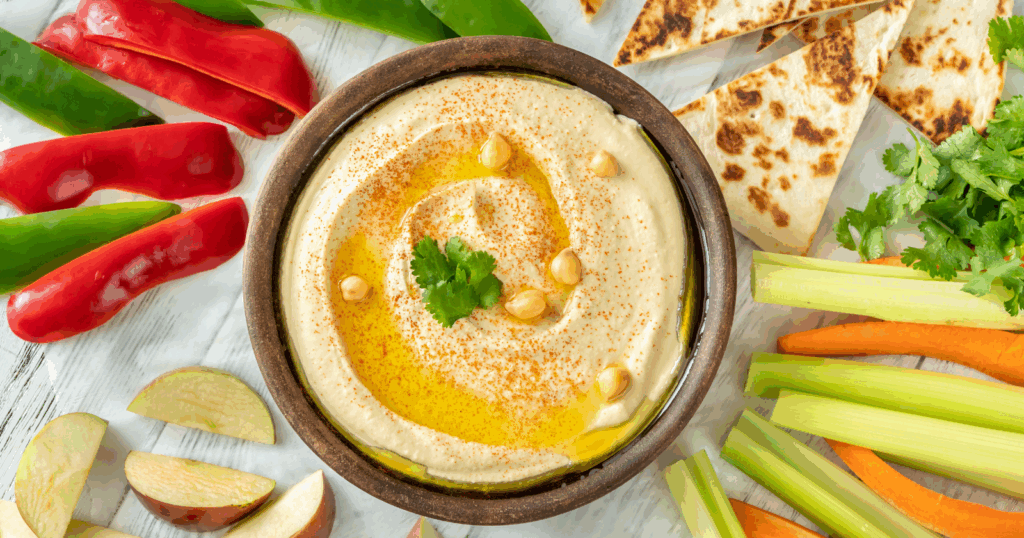
Presentation matters, even when you’re cooking for yourself. Create a well in the center with the back of a spoon. Drizzle good olive oil into that well. Not the cooking stuff – the good bottle you save for special occasions. This is a special occasion.
Add toppings with intention. A sprinkle of sumac for tang and color. Pine nuts toasted until golden. Fresh herbs torn at the last second. Each addition should have a purpose, whether it’s texture, flavor, or visual appeal.
The act of thoughtful presentation changes how food tastes. It signals to your brain that this is worth savoring. You made something special here. Honor that effort.
Troubleshooting common texture problems
Too thick? Add cooking liquid, not water. The starch helps maintain creaminess while thinning the consistency. Add it slowly, a tablespoon at a time, with the processor running.
Too thin? You probably added liquid too quickly. Let it rest in the fridge. It will thicken slightly as it cools. Next time, be more patient with liquid additions.
Grainy despite peeling? Your chickpeas weren’t cooked enough, or you didn’t process long enough. Both are fixable next time. For now, pass the hummus through a fine mesh strainer. It’s extra work, but it salvages the batch.
Still not creamy enough? Your tahini might be the culprit. Good tahini should pour easily and taste slightly sweet, not bitter. If it’s thick and separated in the jar, find a better brand.
Making this sustainable in your routine
Cooking dried chickpeas and peeling them sounds like a weekend project, but it doesn’t have to be. Cook a double or triple batch. Peel them all. Freeze portions in their cooking liquid.
Future you will thank present you for this effort. Having prepped chickpeas ready to go makes weeknight hummus entirely achievable. It’s meal prep that actually makes sense.
The meditative aspect of peeling chickpeas surprised me. There’s something calming about the repetitive motion, the simple focus on one small task. In a world of constant multitasking, this forced single focus feels almost rebellious.
Time to make the best hummus of your life
The difference between good hummus and incredible hummus isn’t talent or secret ingredients. It’s the willingness to do the one thing most people won’t: peel those chickpeas.
This principle extends beyond the kitchen. The things that create exceptional results are often the small, unsexy steps others skip. The daily meditation practice. The extra revision on a piece of writing. The thank you note nobody expects.
Your hummus is about to become legendary. Not because you bought expensive tahini or imported chickpeas. But because you decided that excellent was worth an extra ten minutes of effort.
Start those chickpeas soaking tonight. Tomorrow, you make hummus that’ll ruin you for the store-bought stuff forever. And once you taste the difference, you’ll understand why some steps are worth taking, even when everyone else skips them.
Comments