6 vegetarian recipes from around the world that have become permanent fixtures in my weekly rotation

- Updated on Apr 21, 2026
Two years ago, I found myself standing in a cramped kitchen in Lisbon, watching a local cook transform simple chickpeas into something magical. She moved with the kind of quiet confidence that comes from making the same dish hundreds of times. No measuring cups, no timers, just instinct. That moment shifted how I approach cooking entirely.
Since then, I’ve been collecting recipes like postcards from my travels and kitchen experiments. The ones that stick around aren’t necessarily the fanciest or most Instagram-worthy. They’re the dishes that work on a random Wednesday when you’re tired, that taste just as good reheated for lunch, and that make your kitchen smell like somewhere you actually want to be.
These six vegetarian recipes from different corners of the world have earned permanent spots in my weekly rotation. Each one taught me something about cooking, but more importantly, about creating rituals that anchor a chaotic week.
1) Lebanese mujadara
Lentils, rice, and caramelized onions. That’s it. The first time I made mujadara, I couldn’t believe something so basic could taste so complex. The secret lies in patience with those onions. You cook them low and slow until they’re deep brown and sweet, almost jammy.
I make this every Sunday now. There’s something meditative about standing at the stove, stirring onions while they slowly transform. It’s become my weekly reset button. The process demands just enough attention to quiet the mental chatter without requiring real concentration.
The recipe scales beautifully too. I triple the batch and pack containers for the week. Cold mujadara with yogurt makes an incredible lunch. Warm it up, crack an egg on top, and you’ve got dinner sorted. The Lebanese have been perfecting this balance of simplicity and satisfaction for generations, and now I understand why.
2) Japanese okonomiyaki
Okonomiyaki translates to “grilled as you like it,” which perfectly captures why this savory pancake became a weekly staple. It’s essentially a cabbage fritter that welcomes whatever vegetables are hanging around your crisper drawer.
The batter comes together in minutes. Shredded cabbage, flour, eggs, and water form the base. Then you add whatever you fancy. Corn, mushrooms, green onions, grated carrots. There’s no wrong answer. This flexibility transformed how I approach meal planning. Instead of rigid recipes, I started thinking in templates.
Flipping okonomiyaki requires commitment. You can’t hesitate or second-guess. Either you go for it or you don’t. Sometimes it breaks apart. Sometimes it’s perfect. Both versions taste equally good topped with sauce and mayo. This dish taught me that kitchen confidence comes from accepting the occasional mess and moving forward anyway.
3) West African peanut stew
This stew changed my understanding of peanut butter as an ingredient. Beyond sandwiches and smoothies, it creates this rich, velvety base that makes vegetables sing. Sweet potatoes, spinach, and tomatoes swim in a sauce that’s simultaneously creamy and light.
The technique matters here. You bloom the spices in oil first. Then add aromatics. Build the tomato base. Whisk in the peanut butter until smooth. Each step adds depth. Rush through it and you get a decent stew. Take your time and you create something transcendent.
I started making this during particularly stressful weeks. The process of building flavors layer by layer mirrors how we build resilience. Small, intentional actions compound into something substantial. Plus, the apartment smells incredible for hours afterward, which counts as aromatherapy in my book.
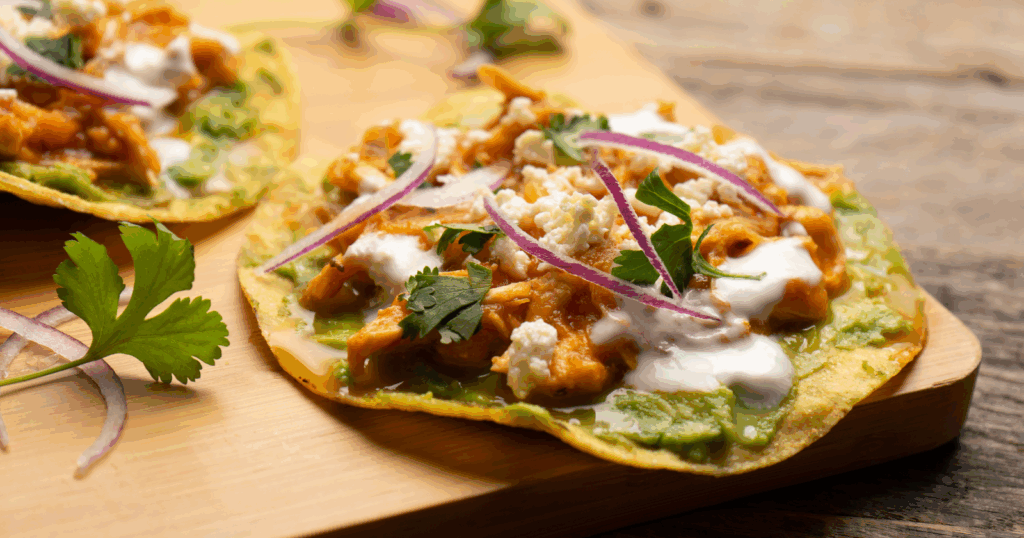
4) Mexican black bean tostadas
Properly cooked black beans are a revelation. Not the mushy, flavorless ones from mediocre restaurants. I mean beans simmered with bay leaves, garlic, and onion until they’re creamy inside but still hold their shape. Beans that taste like something.
Every Thursday, I set up a tostada bar on my kitchen counter. Crispy corn tortillas, those perfect black beans, fresh salsa, avocado, pickled jalapeños, crumbled queso fresco. David and I build our own. It’s become an anchor point in our week, a reason to slow down and eat together.
The beauty of tostadas lies in their adaptability. Feeling ambitious? Make your own pickled vegetables. Exhausted? Store-bought salsa works perfectly. This meal taught me that consistency matters more than perfection. Showing up with simple food beats not showing up at all.
5) Indian chana masala
Chana masala was the first dish I learned to make without a recipe. After enough repetitions, your hands know how much cumin to add, when the onions are ready, how the sauce should look. This knowledge lives in your body, not your brain.
The transformation of dried chickpeas into this aromatic, satisfying dish feels like alchemy. Overnight soaking, morning simmering, afternoon spice toasting. Each step builds anticipation. By dinner, your kitchen smells like the best Indian restaurant you’ve ever visited.
I grow cilantro on my balcony specifically for this dish. There’s something grounding about stepping outside, scissors in hand, harvesting herbs you’ve nurtured from seeds. It connects the meal to something larger than just consumption. The whole process becomes a practice in patience and attention.
6) Italian ribollita
Ribollita means “reboiled,” which tells you everything about this Tuscan bread soup’s humble origins. Day-old bread, whatever vegetables you have, beans, and stock. You cook it once, let it sit overnight, then reheat it the next day. The second cooking transforms everything.
This recipe shifted my entire relationship with leftovers. Instead of viewing them as inferior versions of fresh meals, I started seeing them as dishes in progress. Some foods genuinely improve with time. The flavors meld. The textures evolve. Patience becomes an ingredient.
Making ribollita in winter has become a ritual. I prep vegetables while listening to podcasts, letting the repetitive chopping quiet my mind. The pot simmers while I work, filling the apartment with the smell of rosemary from my balcony herbs. The next day’s lunch is already sorted, which removes one decision from tomorrow’s equation.
Final thoughts
These six dishes taught me that cooking isn’t just about feeding yourself. It’s about creating rhythms that support the life you’re trying to build. Each recipe offers something beyond calories. Patience from slowly caramelized onions. Confidence from flipping imperfect pancakes. Presence from grinding spices.
The best recipes aren’t the ones that photograph well or impress dinner guests. They’re the ones you return to week after week because they work. They fit into real life with its time constraints and energy fluctuations. They taste good on difficult days and better on good ones.
Start with one dish. Make it three times. Notice what changes as your hands learn the movements. Pay attention to how the ritual of cooking affects the rest of your day. You might find, like I did, that the right recipes can anchor a week, turning ordinary ingredients into something that sustains more than just your body.
Comments