6 vegetarian meals that work just as well in summer as they do in winter — no seasonal excuses required

- Updated on Apr 24, 2026
There’s a myth that vegetarian cooking needs to completely reinvent itself every few months.
Light salads when it’s hot, heavy casseroles when it’s cold, as if our bodies suddenly forget how to enjoy good food just because the temperature changed. After years of cooking for a mixed household (my husband’s an omnivore, I’m vegetarian, and our baby just wants something orange), I’ve discovered that the best vegetarian meals don’t care what the calendar says.
These six dishes have become my trusty companions through every season. They’re the ones I turn to when meal planning feels overwhelming, when friends are coming for dinner, or when I just need something reliable that won’t require a specialty grocery run. Each one works brilliantly whether you’re sweating through August or bundled up in January.
1) Shakshuka with chickpeas and feta
Most people assume shakshuka belongs firmly in the winter comfort food category, but that’s selling this North African dish short. Yes, those warming spices and simmered tomatoes feel perfect on cold mornings, but I’ve served this at more summer gatherings than winter ones.
The trick lies in how you approach it. Winter shakshuka gets the full treatment: heavy on the cumin and smoked paprika, served bubbling in the cast iron with thick crusty bread for dunking. Everyone crowds around the pan, which somehow makes the meal feel more special. Add the chickpeas early so they absorb all those spices, and crumble the feta generously.
Summer shakshuka becomes something else entirely. I brighten the tomato base with fresh herbs stirred in at the end, add a good squeeze of lemon, and serve it with grilled flatbreads and a simple cucumber salad. Same foundation, completely different experience. The chickpeas give it enough substance that nobody misses having meat (essential when cooking for mixed dietary preferences), while the eggs provide protein that satisfies everyone.
Pro tip: Make double the tomato-chickpea base and freeze half. Future you will be grateful when dinner needs to happen fast.
2) Coconut dal with seasonal greens
Dal deserves so much more credit as a year-round staple. This coconut milk version walks the line between comforting and refreshing, depending entirely on how you finish and serve it. The base never changes: red lentils cooked with coconut milk, fresh ginger, turmeric, and mustard seeds. But the personality shifts with the seasons.
Winter dal means sturdy greens like kale or collards added during the last five minutes of cooking, served steaming hot over basmati rice. I finish it with a generous tempering of ghee, curry leaves, and dried chilies. The richness of coconut milk plus ghee creates this enveloping warmth that makes February evenings bearable.
Come summer, everything lightens. Baby spinach gets stirred in just until wilted, fresh peas if I have them. Served at room temperature with yogurt, fresh mint, and lime wedges, it becomes cooling despite those same warming spices. The coconut milk that felt rich in winter now feels tropical and light.
3) Mediterranean grain bowl with roasted vegetables
Grain bowls get a bad reputation as sad desk lunches, but this version transcends that stereotype completely. Built on farro or barley (grains with actual flavor and texture), this bowl adapts seamlessly to any season while maintaining its satisfying Mediterranean character.
Winter means roasted root vegetables: sweet potatoes, beets, carrots, all caramelized and earthy. Serve the grains warm, drizzle everything with tahini sauce, and top with pomegranate seeds and toasted walnuts. It’s substantial enough to feel like proper comfort food.
Summer shifts to lighter vegetables: zucchini, bell peppers, cherry tomatoes, all roasted until just tender. The grains go room temperature, the tahini gets swapped for lemony yogurt sauce, and fresh herbs replace the nuts. Same satisfying bowl, completely different mood.
Sunday prep makes this meal work. Roast whatever vegetables look good, cook a big batch of grains, make your sauces. Then mix and match all week based on weather, mood, or what needs using up. It’s meal planning without the rigid structure.
4) Black bean and sweet potato tacos
Anyone who claims tacos are seasonal food is overthinking things. This combination hits every note regardless of the thermometer. Sweet potatoes roasted until caramelized, black beans simmered with spices, wrapped in warm tortillas — it just works.
The genius lies in temperature flexibility. Winter tacos come to the table hot, heavy on the chipotle and smoked paprika, topped with sour cream and pickled jalapeños. We eat them immediately, sauce dripping, warming from the inside out.
Summer tacos work equally well at room temperature. The sweet potatoes can be roasted earlier when it’s cooler, the beans barely warmed. Top with fresh corn salsa, avocado, and lots of lime. Set everything out and let people build their own — suddenly Tuesday dinner becomes festive.
Batch cooking makes this even better. Roast extra sweet potatoes whenever the oven’s on. Make double beans and freeze half. Having components ready transforms taco night from project to possibility.
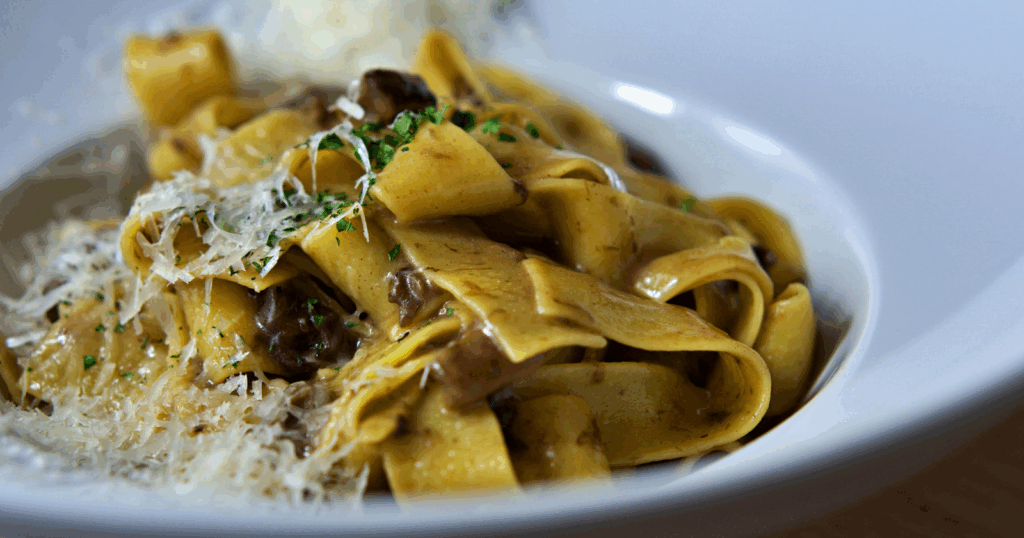
5) Miso butter pasta with mushrooms
This dish single-handedly convinced my husband that vegetarian food could be crave-worthy. The umami punch from miso butter plus meaty mushrooms creates complexity that makes you forget there’s no actual meat involved.
The technique stays consistent: create miso butter, sauté mushrooms until golden, toss with pasta and pasta water until glossy. But the execution shifts with seasons. Winter means heartier pasta shapes like rigatoni, a mix of wild mushrooms, maybe a splash of cream, finished with thyme. It’s rich, warming, deeply satisfying.
Summer keeps things lighter. Angel hair or linguine, simple button mushrooms (they’re underrated), lots of lemon zest and fresh basil at the end. Same umami depth, but it doesn’t weigh you down when it’s hot outside.
The miso butter can be made ahead and refrigerated. Having it ready means this comes together in twenty minutes, perfect for those evenings when cooking feels ambitious but ordering takeout feels like defeat.
6) Crispy halloumi and vegetable stir-fry
Halloumi changed vegetarian cooking. That salty, squeaky cheese that crisps like meat gives this stir-fry the substance that makes it feel like a complete meal, not just vegetables pretending to be dinner.
The method never varies: screaming hot pan, crisp the halloumi first, remove it, quickly stir-fry vegetables, combine everything with sauce at the end. But the vegetables and sauce change everything. Winter means broccoli, snap peas, baby corn with a sesame-ginger sauce. Served over rice, it’s warming and substantial.
Summer calls for asparagus, cherry tomatoes, zucchini ribbons with a bright herb oil or simple soy-lime dressing. Served with cold noodles or just crusty bread, it feels light despite the satisfying halloumi.
Prep is everything with stir-fries. Cut everything before you start cooking. Once that pan heats up, there’s no time for chopping. Learning this prevented many burned dinners.
Finding your year-round rhythm
What makes these dishes work in any season isn’t complicated. They’re built on solid foundations — good techniques, balanced flavors, reliable methods — rather than seasonal trends. They scale up for dinner parties or down for quiet nights. They’re forgiving when you’re missing ingredients, adaptable for dietary needs, and most importantly, they taste good enough that nobody notices they’re vegetarian.
The real magic happens in small adjustments. Temperature, herbs, garnishes, and presentation transform the same base recipe into something seasonally appropriate without requiring completely different meals for summer and winter. That shakshuka that feels cozy in January becomes bright and fresh in July simply by changing the herbs and serving style.
These meals eliminated my seasonal meal-planning stress. No more wondering what’s “appropriate” for the weather or season. Just good food that works whenever you need it. Because honestly, when you’re juggling work, family, and everything else, the last thing you need is your recipe collection telling you what you can’t cook in October.
Comments