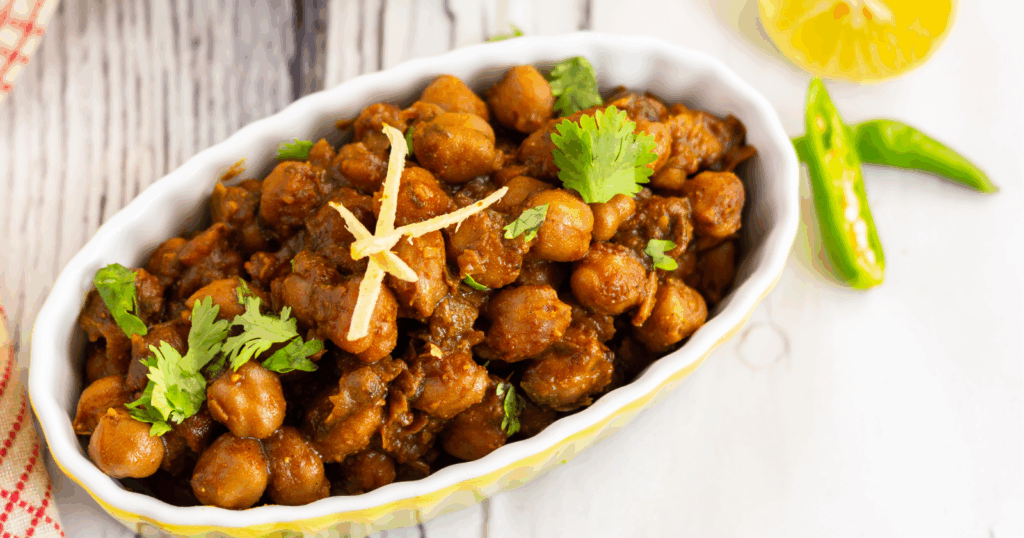
The vegetarian chana masala I make when I want something deeply spiced, filling, and ready in under 30 minutes

- Updated on Apr 28, 2026
There’s a moment that happens around 6 PM on weekdays when I realize I’ve been buried in work all day and completely forgotten about dinner. My stomach’s growling, I want something that feels like a proper meal, and ordering takeout for the third time this week isn’t going to cut it. That’s when I turn to this chana masala recipe.
I discovered this during travels through India, watching a cook in a tiny kitchen work magic with chickpeas and spices. What struck me wasn’t just the incredible depth of flavor achieved, but how quickly everything came together. No overnight soaking, no complicated techniques. Just good spices, simple ingredients, and about 25 minutes of actual cooking time.
The best part? This dish teaches you something about yourself every time you make it. There’s a meditative quality to toasting whole spices, watching them release their oils and transform. It’s become my go-to recipe when I need to reset after a chaotic day.
Why this recipe works when you need it most
Most chana masala recipes online will have you soaking dried chickpeas overnight, grinding your own spice blends, and simmering everything for hours. That’s great for a weekend project, but completely useless when you’re starving at 6:30 PM on a Wednesday.
This version respects your time without sacrificing flavor. We’re using canned chickpeas (no shame in that game), building layers of spice efficiently, and creating a sauce that tastes like it’s been bubbling away all afternoon. The whole thing comes together faster than David can finish telling me about his day at work.
The trick is understanding which corners you can cut and which steps actually matter. Toasting whole cumin seeds for 30 seconds? Essential. Making your own garam masala from scratch? Save it for another day. This recipe finds that sweet spot between effort and payoff.
The spices that make all the difference
Here’s what you actually need in your spice drawer: cumin seeds, coriander powder, turmeric, garam masala, and chili powder. If you’ve got black mustard seeds and dried fenugreek leaves (kasuri methi), even better, but they’re not deal-breakers.
The real game-changer is blooming your spices properly. Most home cooks dump everything in at once and wonder why their curry tastes flat. You need to wake those spices up. Start with whole cumin seeds in hot oil until they crackle and dance. Then add your ground spices with a splash of water to prevent burning. This 60-second step is the difference between a curry that tastes homemade and one that tastes like home.
I keep my spices in small jars on the counter where I can see them. Out of sight means out of mind, and you’re way more likely to cook something interesting when your turmeric is staring at you every morning. Plus, there’s something grounding about opening those jars, taking a deep breath, and letting those aromas center you before you even start cooking.
Building the base that changes everything
Every great curry starts with the trinity: onions, ginger, and garlic. Dice one large onion, mince a two-inch piece of ginger, and crush four garlic cloves. Don’t stress about perfect knife cuts. This isn’t Instagram. It’s dinner.
Here’s the move most recipes won’t tell you: cook your onions until they’re properly golden, not just translucent. We’re talking seven to eight minutes of patient stirring. Those caramelized edges add sweetness that balances all the heat and spice coming later. While they’re cooking, I use the time to tidy up the kitchen or water the herbs on my apartment balcony. Cooking doesn’t always have to be frantic.
Add the ginger and garlic, cook for another minute until your kitchen smells incredible, then add a can of crushed tomatoes. Let this mixture cook down until it’s thick and jammy, about five minutes. You’re building what Indian cooks call the masala base, and it’s the foundation of every great curry I’ve ever eaten.
The chickpea transformation
Drain two cans of chickpeas but save that liquid. Aquafaba (that’s the fancy name for chickpea water) adds body to your sauce without any dairy. Add your chickpeas to the pan along with your toasted and ground spices. Stir everything together and let those chickpeas soak up all those flavors for about two minutes.
Now add water or vegetable stock until you get the consistency you want. I like mine thick enough to coat the back of a spoon but loose enough to soak into rice or naan. Start with a cup and add more as needed. Simmer everything together for about ten minutes, mashing a few chickpeas against the side of the pan to thicken things up naturally.
This is where you adjust and make it yours. Need more heat? Add chili. Want it creamier? Splash in some coconut milk. Too thick? More water. You’re not following a recipe anymore; you’re cooking by feel. Trust yourself.
The finishing touches that matter
The last two minutes are crucial. Squeeze in fresh lemon juice for brightness. If you have kasuri methi, crush it between your palms and sprinkle it in. The dried fenugreek leaves add this subtle, almost maple-like sweetness that makes people ask what your secret ingredient is.
Fresh cilantro goes in right at the end. I know some people have that genetic thing where cilantro tastes like soap. If that’s you, try fresh mint instead. Both herbs add that fresh pop that cuts through all the rich spices.
Taste and adjust. This is your curry. Maybe it needs more salt. Maybe a pinch of sugar to balance the acidity from the tomatoes. These micro-adjustments are what separate good cooking from great cooking. They’re also what teach you to trust your palate over any recipe.
What this dish teaches you beyond the kitchen
Making this chana masala regularly has taught me something about momentum. When you’re exhausted and uninspired, sometimes the best thing you can do is just start. Dice an onion. Heat some oil. Take one small step and let muscle memory carry you forward.
There’s also a lesson here about constraint breeding creativity. Limited time and ingredients don’t mean limited flavor or satisfaction. Some of my best meals have come from working within tight parameters, not despite them but because of them. You might have read my post on turning limitations into advantages, and this recipe embodies that principle perfectly.
The ritual of making this dish has become a form of active meditation for me. The rhythmic chopping, the careful watching of spices as they toast, the gradual building of flavors. It pulls me out of my head and into the present moment more effectively than any breathing exercise.
Making it your own
Once you’ve made this a few times, you’ll start seeing variations everywhere. Add spinach in the last five minutes for extra nutrition. Throw in some roasted cauliflower for texture. Use sweet potatoes instead of chickpeas when you want something different.
The base technique stays the same: bloom your spices, build your masala base, simmer with your protein or vegetables, finish with acid and herbs. This framework works for dal, rajma, any bean or lentil you’ve got hanging around. Master this one recipe and you’ve actually mastered a dozen.
I make this at least once a week, usually when I need to prove to myself that I can create something nourishing without a huge production. It’s become less about the meal itself and more about the act of taking care of myself when it would be easier not to.
The bigger picture
This chana masala represents everything I love about cooking: it’s practical, nourishing, and deeply satisfying without being precious about it. You don’t need special equipment, fancy ingredients, or hours of free time. You just need 30 minutes and the willingness to try.
Every time you make this, you’re building confidence in the kitchen and beyond. You’re proving that you can take care of yourself, that you can create something wonderful from simple ingredients, that you don’t need to rely on restaurants or meal delivery to eat well.
Start tonight. Don’t wait for the perfect moment or until you have every single spice. Use what you have, adjust as you go, and trust the process. That pot of deeply spiced, incredibly satisfying chickpeas will be ready before you know it, and you’ll wonder why you ever thought good food had to be complicated.
Comments