5 vegetarian recipes that use up whatever’s left in the fridge at the end of the week that actually taste intentional

- Updated on May 01, 2026
Friday evening. The fridge is a graveyard of good intentions: half a block of feta, three wrinkled bell peppers, that bunch of cilantro you swore you’d use, and approximately seventeen containers of various leftovers.
We’ve all been there, standing with the door open, wondering if this random collection of ingredients could possibly become dinner or if it’s finally time to admit defeat and order takeout.
Here’s what I’ve learned after years of turning Friday’s fridge remnants into meals that my dinner guests assume I planned: the secret isn’t having the right ingredients, it’s knowing the right frameworks.
These five recipes aren’t really recipes at all. They’re formulas that transform whatever you’ve got into dishes that taste like you meant to make them all along.
1) The “Market Day” grain bowl
This is my go-to when the vegetable drawer looks like a farmers market closing sale. The beauty of a grain bowl is that it makes chaos look composed. Nobody questions why there’s both roasted cauliflower and raw cucumber in the same bowl when it’s arranged just so.
Start with whatever grain is lurking in your pantry. Quinoa, farro, rice, even pasta works. While that’s cooking, assess your vegetables. Anything firm gets chopped into similar sizes and tossed with olive oil and whatever spices call to you. Roast these at 425°F until they’re properly caramelized.
The key to making this feel intentional is choosing a flavor direction and committing. Got harissa paste and preserved lemons hiding in the fridge? Go North African. Finding ginger and sesame oil? Take it East Asian. Consistency in your seasoning transforms “random vegetables on grains” into “inspired Buddha bowl.”
While your vegetables roast, prepare your fresh elements. Raw vegetables add crunch, herbs bring brightness, and that half container of hummus or yesterday’s tahini sauce becomes your creamy element. Arrange everything in sections rather than mixing it all together. Top with whatever nuts or seeds you’ve got hiding in the pantry. This visual separation is what makes it look composed rather than thrown together.
2) The anything-goes frittata that looks planned
Last week, I turned two eggs about to expire, a handful of cherry tomatoes, and the ends of three different cheeses into something my friend asked me to “make again next time.” That’s the power of a frittata done right.
Start by sautéing your vegetables in an oven-safe skillet with plenty of olive oil. Group them by cooking time: onions first, then harder vegetables, finishing with greens or tomatoes. Season each addition as you go. This layered seasoning separates a deliberate frittata from scrambled eggs with stuff in them.
Whisk eight eggs with whatever dairy you have. A splash of milk, cream, or even yogurt works. Here’s my secret weapon: add a tablespoon of something flavor-packed. Pesto, harissa, sun-dried tomato paste, whatever you’ve got. Pour this over your sautéed vegetables, dot with cheese (multiple types actually work brilliantly here), and let it set on the stovetop for two to three minutes.
Transfer to a 375°F oven until just set, about twelve to fifteen minutes. The center should still have the slightest jiggle. Let it cool slightly, then serve at room temperature with a simple salad. Suddenly Friday’s remnants look like weekend brunch.
3) The “accidentally perfect” soup
Soup is the ultimate fridge-cleaner, but there’s a difference between “everything soup” and something that tastes like you followed a recipe. The trick is building layers of flavor rather than throwing everything in a pot and hoping for the best.
Start with a generous glug of olive oil and slowly cook whatever aromatics you have. Onion, garlic, that sad-looking celery, all of it. Cook them until they’re properly soft and fragrant. This patience is what separates good soup from great soup. Add a spoonful of tomato paste, curry paste, or miso and let it cook for a minute until it darkens slightly.
Now add harder vegetables first with your liquid. Broth if you have it, water with bouillon if you don’t. Work your way to softer items as the soup simmers. Those parmesan rinds you’ve been saving? Throw them in. That wilted bunch of parsley? Save the leaves for the end but simmer the stems now. These small moves create complexity that makes people ask for the recipe.
Just before serving, brighten everything with acid. Lemon juice, vinegar, whatever you have. Finish with fresh herbs and good olive oil drizzled on top. This final step transforms “vegetable soup” into something that tastes thoroughly considered.
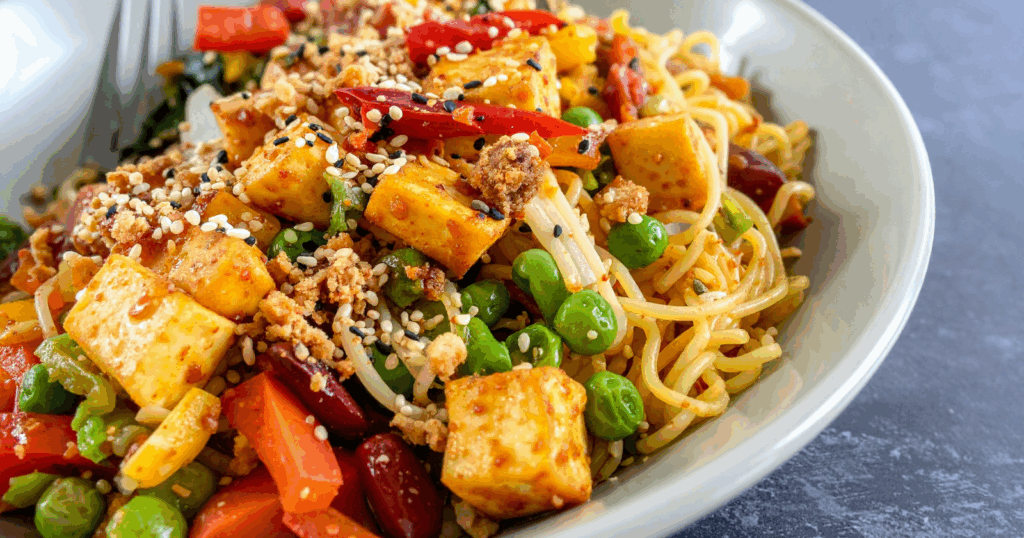
4) The strategic stir-fry
My former marketing days taught me about perception versus reality, and nowhere is this more useful than in making a stir-fry that doesn’t taste like fridge clean-out. The secret is treating each component with respect, even if that component is yesterday’s leftover rice and some questionable broccoli.
Press your tofu and cube it, then pan-fry until golden before setting aside. If you don’t have tofu, scrambled eggs work beautifully. Cook your vegetables in batches based on their cooking time and never crowd the pan. This isn’t fussiness, it’s technique.
Mix your sauce in advance, tasting and adjusting. Even if it’s just soy sauce plus whatever else you find (maple syrup? rice vinegar? that last squeeze of sriracha?), mixing it separately and tasting it first makes it intentional. Having it ready means you’re not scrambling while your vegetables burn.
Add everything back to the pan at the end just to heat through and coat with sauce. Finish with whatever fresh herbs or crunchy things you’ve got. Sesame seeds from that everything bagel seasoning? Perfect. That handful of cashews from your last trail mix phase? Even better.
5) The “meant-to-be” mezze situation
Sometimes the best dinner isn’t a composed dish at all but a spread of small things that somehow work together. This approach has saved me countless times, especially when unexpected guests appear and the fridge looks particularly sparse.
The key to making a mezze spread from fridge remnants look planned is presentation and balance. Start with something creamy as your anchor. Hummus is obvious, but white beans blended with tahini and lemon work just as well. Even Greek yogurt mixed with garlic and herbs becomes something special.
Quick-pickle any vegetables that are starting to look tired. Just slice thin and cover with equal parts vinegar and water plus a pinch of sugar and salt. Even thirty minutes makes a difference. Meanwhile, roast whatever needs roasting at high heat until it’s properly caramelized. That half head of cauliflower becomes something special when it’s charred and dressed with tahini.
Arrange everything on a large platter or board. Include something fresh (herbs, sliced vegetables, or simple salad), something carb-based (pita, flatbread, or even good toast), and whatever extras you’ve got (olives, cheese, hard-boiled eggs). Drizzle olive oil over everything that benefits from it. Sprinkle sumac, za’atar, or just good sea salt strategically.
The magic is in the abundance. When you present five or six small things together, it looks generous and intentional, never like you’re trying to use things up.
Making peace with the Friday fridge
The truth about cooking with what you have is that limitations often lead to better food than endless options would. These frameworks aren’t about settling for less. They’re about recognizing that a well-seasoned, thoughtfully composed meal made from Friday’s fridge fragments often tastes better than something you shopped specifically for but cooked without conviction.
Next Friday, when you’re standing in front of that chaos of containers and wondering what’s for dinner, remember: you don’t need the perfect ingredients. You just need the right approach. Pick a framework, commit to a flavor direction, and cook like you meant it all along. Because honestly? Some of my best dinners, the ones friends still talk about, started with nothing more than good olive oil and the confidence to pretend I had a plan.
Comments