The crispy tofu and vegetable stir fry I make when I need something fast, genuinely satisfying, and on the table before anyone gets impatient

- Updated on May 02, 2026
There’s this moment that happens at least once a week in our apartment. It’s 6:30 PM, I’ve been deep in work mode all day, and suddenly I realize we haven’t thought about dinner.
David walks into the kitchen with that look that says he’s about to suggest ordering takeout again. But I’ve got a better plan – one that gets real food on the table faster than any delivery app, costs a fraction of the price, and actually makes me feel good about what we’re eating.
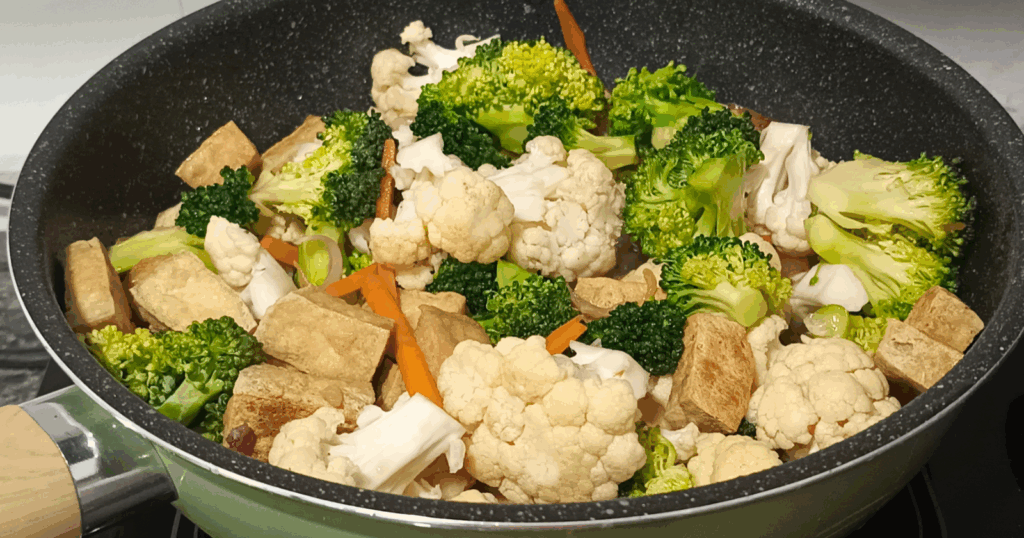
This crispy tofu and vegetable stir fry has become my secret weapon against the evening hunger spiral. It takes me about 20 minutes from start to finish, uses whatever vegetables are hanging around in the crisper drawer, and delivers that perfect combination of crispy, saucy, and satisfying that makes everyone forget they were ever impatient in the first place.
The thing about cooking when you’re already hungry is that your brain wants to overcomplicate everything. You start thinking you need fifteen ingredients, three different sauces, and somehow the whole thing becomes this massive production. But the best meals – the ones you actually make regularly – strip away all that noise and focus on simple techniques that deliver maximum flavor with minimum fuss.
Why this particular stir fry works when nothing else will
Most stir fry recipes fail because they try to do too much. They want you to marinate the tofu for hours, prep twelve different vegetables into perfect matchsticks, and somehow coordinate everything to finish at exactly the same time. When you’re racing against the clock and stomach growls, that’s a recipe for disaster.
This approach flips the script entirely. The tofu gets crispy without any marinating or pressing. The vegetables cook in stages based on their actual cooking times, not some arbitrary sequence. And the sauce comes together with pantry staples you definitely already have.
I learned this method by accident during a particularly chaotic week when I was juggling deadlines from multiple writing projects. Every elaborate cooking plan fell apart, and I found myself standing in front of the fridge at 7 PM with a block of tofu and some aging vegetables. What emerged from that desperate moment has become one of my most reliable dishes.
The beauty is in the constraint. When you only have 20 minutes, you can’t overthink. You can’t second-guess. You just cook. And sometimes that forced simplicity leads to better results than all the planning in the world.
The tofu technique that changes everything
Forget everything you’ve heard about pressing tofu for hours or freezing it overnight. Here’s what actually works when you need crispy tofu right now: tear it into irregular chunks with your hands.
I know it sounds wrong. Every recipe tells you to cut perfect cubes. But those jagged edges you get from tearing? They create more surface area for crisping and little pockets that grab onto sauce. It’s the difference between polite little cubes that stay separate and golden, craggy pieces that actually taste like something.
Heat your pan properly first – medium-high, not smoking but definitely hot. Add a good glug of neutral oil. Toss in your torn tofu pieces and then leave them alone. This is crucial. Don’t stir, don’t shake, don’t even look at them sideways for at least three minutes. That initial sear is what creates the crispy exterior that holds up to sauce later.
While the tofu does its thing, I use this time to quickly chop my vegetables. It’s a perfect example of working smarter, not harder. By the time your vegetables are prepped, that tofu is ready to flip, revealing a gorgeous golden crust that would make any restaurant cook proud.
Building flavor layers without complexity
The sauce is where most people get tripped up, thinking they need specialty ingredients or complex ratios. Here’s the truth: soy sauce, a touch of sugar, and something acidic will get you 90% of the way there. Everything else is just showing off.
My go-to combination is soy sauce, a squeeze of lime juice, a teaspoon of sugar, and whatever hot sauce is within arm’s reach. If I’m feeling fancy, I’ll add ginger or garlic, but honestly, it’s incredible even without them. Mix it in a small bowl while the tofu crisps up, taste it, adjust as needed. Trust your palate over any recipe measurements.
The vegetable selection follows a simple rule: dense vegetables first, tender ones last. Carrots and broccoli go in right after you’ve removed the crispy tofu. They need a few minutes to soften. Then bell peppers and snap peas. Finally, anything leafy or super quick-cooking like spinach or bean sprouts goes in during the last minute.
This staged approach means everything finishes cooking at the same time, and nothing turns to mush. It’s the kind of technique that seems obvious once you know it, but it took me years of overcooked vegetables to figure out.
The mindset shift that makes weeknight cooking possible
There’s something deeply satisfying about conquering the weeknight dinner challenge without resorting to takeout or frozen meals. It’s a small victory, sure, but these small victories add up to something bigger – the confidence that you can take care of yourself and the people you love, even when time is tight and energy is low.
I’ve found that cooking this simple meal becomes a transition ritual between work mode and evening mode. The chopping, the sizzling, the stirring – they pull me out of my head and into the present moment. It’s like a moving meditation, except at the end you get to eat something delicious.
The real magic happens when this becomes muscle memory. After making this dish a dozen times, you stop needing to think about it. Your hands know what to do. You can chat with your partner while cooking, listen to a podcast, or just enjoy the process without stress. It becomes not just a meal but a practice, a reliable source of both nourishment and accomplishment.
Making it your own without losing what works
Once you’ve got the basic technique down, the variations become endless without adding complexity. Swap the vegetables based on seasons or what’s on sale. Try different proteins if tofu isn’t your thing – tempeh works brilliantly with this method, and so do chickpeas.
The sauce template adapts to any flavor profile you’re craving. Add sesame oil and rice vinegar for something more Chinese-inspired. Throw in some curry powder for an unexpected twist. Use tamari and maple syrup when you want something with deeper sweetness.
But here’s the key: change one thing at a time. Keep the core technique consistent. This isn’t about reinventing the wheel every night. It’s about having a reliable framework that can flex with your mood, your pantry, and your energy level.
Your next move
Tonight, when that familiar “what’s for dinner” panic starts to set in, remember this: you’re 20 minutes away from a meal that checks every box. It’s fast enough to beat any delivery time, satisfying enough to feel like real cooking, and simple enough that you can pull it off even when your brain is fried from the day.
Start with just tofu and two vegetables. Keep it simple. Focus on the technique – the hot pan, the patient searing, the staged vegetable cooking. Once you nail it once, you’ll find yourself making it again and again, each time with a little more confidence, a little more flair.
The best recipes aren’t the ones that impress at dinner parties. They’re the ones that save you on a random Thursday night when you’re tired, hungry, and tempted to give up on cooking altogether. This stir fry is exactly that kind of recipe. Master it, and you’ll never fear the weeknight dinner rush again.
Comments