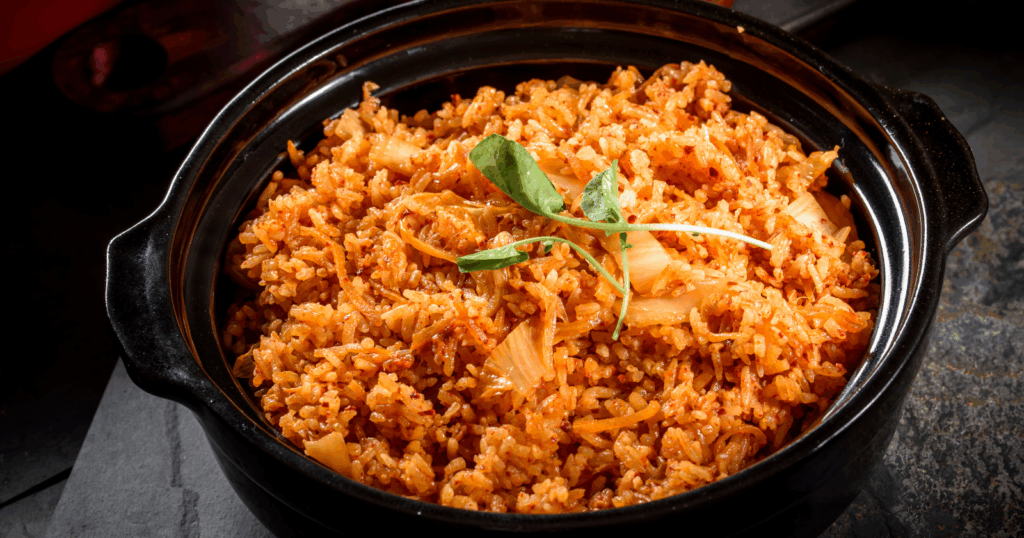
How to make a proper vegetarian kimchi fried rice that has the right level of heat, the right texture, and nothing that tastes like a compromise

- Updated on May 03, 2026
Most people think kimchi fried rice is just about dumping kimchi into leftover rice and calling it a day. They end up with something mushy, bland, or so spicy it masks every other flavor. The vegetarian version gets even worse treatment – treated like an afterthought where you just skip the meat and hope for the best.
Here’s what actually matters: the rice texture, the balance of heat, and building layers of flavor that make you forget this dish traditionally contains pork or spam. After years of perfecting this recipe in my Upper West Side kitchen, I’ve learned that great vegetarian kimchi fried rice demands more attention, not less.
Why your rice matters more than you think
Cold, day-old rice is non-negotiable. Fresh rice contains too much moisture and turns your dish into a sticky mess. I learned this the hard way during a particularly ambitious dinner gathering where I tried using freshly cooked rice. The result looked more like risotto than fried rice.
Spread your cooked rice on a sheet pan and refrigerate it overnight. If you’re in a rush, stick it in the freezer for 30 minutes. The grains need to dry out and separate. When you grab a handful, the rice should fall through your fingers like sand, not clump together.
Medium-grain white rice works best here. Long-grain gets too dry, short-grain stays too sticky. Break up any remaining clumps with your hands before cooking. This prep work determines whether you get distinct, slightly crispy grains or disappointing mush.
Getting the heat just right
The heat in kimchi fried rice should build gradually, not assault you immediately. It’s about creating warmth that spreads through your mouth and makes you want another bite, not reach for milk.
Start with well-fermented kimchi. The older and funkier, the better. That tangy, slightly sour flavor adds complexity you can’t get from fresh kimchi. Chop it into bite-sized pieces and save the juice – that liquid gold carries concentrated flavor.
Add gochugaru (Korean chili flakes) in stages. Begin with half a tablespoon, taste, then adjust. The heat intensifies as it cooks, so go slower than you think you need to. Mix in a teaspoon of gochujang for depth, but remember it brings sweetness along with heat.
Balance is everything. A splash of rice vinegar cuts through richness. A hint of sugar rounds out the sharp edges. Some days I add a squeeze of lime at the end – not traditional, but it brightens everything up.
Building umami without the meat
Traditional kimchi fried rice gets its savory depth from pork belly or spam. Without them, you need to be strategic about building umami from other sources.
Start your base with a generous glug of sesame oil heated until it shimmers. Add minced garlic and ginger, letting them sizzle until fragrant. This foundation carries through the entire dish.
Soy sauce is obvious, but try adding a dash of dark soy sauce for color and a deeper flavor. A teaspoon of doenjang (Korean fermented soybean paste) works magic here – it adds that fermented complexity that makes people ask what your secret ingredient is.
Mushrooms change everything. Dice up some shiitakes and let them brown properly before adding other ingredients. They need time to release moisture and develop that meaty texture. King oyster mushrooms, sliced into rounds and scored, make an incredible addition when you want something substantial.
The vegetables that actually work
Skip the frozen mixed vegetables. They add nothing but water and disappointment.
Finely diced carrots bring sweetness and crunch. Cook them first since they take longest. Scallions go in at two stages – whites with the aromatics, greens at the very end for freshness.
Here’s something I discovered while trying to recreate a dish I had in an East Village cafe: corn kernels. Just a handful adds pops of sweetness that play beautifully against the spicy, fermented flavors. Fresh or frozen both work.
Bean sprouts get added in the last minute of cooking. You want them barely wilted, still crunchy. Same with baby spinach – stir it through right before serving so it just wilts from the residual heat.
Getting that perfect crispy-chewy texture
High heat is your friend. Your pan should be smoking before anything goes in. Work in batches if needed – overcrowding drops the temperature and creates steam instead of the sear you want.
Let the rice sit undisturbed for at least a minute when it first hits the pan. Resist the urge to stir constantly. You want some grains to get crispy and slightly charred. That textural contrast makes each bite interesting.
Press the rice down with your spatula occasionally, creating more contact with the hot surface. Then toss, let it sit again, press again. This rhythm develops those coveted crispy bits throughout.
The sound tells you everything. You should hear aggressive sizzling the entire time. If it goes quiet, your heat’s too low. If it starts smoking excessively, pull the pan off heat for a few seconds, then continue.
The egg situation
Push everything to the sides of your pan, creating a well in the center. Crack an egg directly into that space. Let the bottom set before scrambling it through the rice. This technique creates ribbons of egg throughout rather than uniform chunks.
For a restaurant-style presentation, fry an egg separately with crispy edges and a runny yolk. Place it on top of your plated rice. That golden yolk becomes a rich sauce when broken.
Want to skip eggs entirely? Crumbled firm tofu, pressed dry and pan-fried until golden, adds protein without compromising texture. Season it well with soy sauce and sesame oil first.
Finishing touches that matter
Toasted sesame seeds aren’t optional. They add nuttiness and crunch that pulls everything together. Toast them yourself in a dry pan – pre-toasted ones from the store lack that fresh, aromatic quality.
A drizzle of sesame oil at the end adds fragrance that hot oil can’t achieve. Just a few drops though – it’s potent stuff.
Torn roasted seaweed sheets (the kind used for kimbap) make an excellent garnish. They add umami and a subtle ocean flavor that deepens the overall profile.
Fresh herbs might seem wrong, but a handful of cilantro or perilla leaves brings unexpected freshness. Not everyone will love this addition, but those who do really love it.
Making it your own
Once you nail the basics, this dish becomes a canvas for experimentation. During summer, I add fresh cucumber dressed in rice vinegar as a cooling side. In winter, a soft-boiled egg marinated in soy and mirin becomes the perfect companion.
The beauty of mastering any dish lies in understanding why each element works, then adjusting to your preferences. Maybe you want more vegetables, less heat, or extra crispy bits. The framework stays the same, but the details become yours.
Great vegetarian cooking isn’t about replacing meat or apologizing for what’s missing. It’s about understanding how flavors and textures work together to create something satisfying on its own terms. This kimchi fried rice proves that when you respect your ingredients and technique, vegetarian food stands proudly on its own.
Comments