10 cheap vegetarian ingredients that make genuinely impressive meals — and how to keep them stocked without thinking about it

- Updated on May 03, 2026
Last week, I stood in the grocery store staring at a twelve-dollar jar of harissa paste, wondering when eating well as a vegetarian started requiring a specialty food budget.
The couple behind me had a cart full of meat that probably cost less than my basket of “superfoods” and artisan ingredients.
That’s when it hit me: somewhere along the way, I’d bought into the myth that vegetarian cooking needs to be expensive to be impressive.
The truth? The most memorable meals I’ve served have come from ingredients that cost less than a fancy coffee drink.
After years of vegetarian cooking and now preparing meals with a baby balanced on one hip, I’ve discovered that truly great vegetarian food doesn’t come from trendy ingredients with unpronounceable names.
It comes from understanding how to transform humble staples into something extraordinary.
1) Dried chickpeas (not canned)
I know what you’re thinking.
But dried chickpeas are a completely different ingredient from their canned cousins.
At about a dollar per pound, they cook up with a texture that stays firm enough to crisp beautifully in a cast iron pan or blend into hummus so smooth it makes store-bought look grainy.
Plus, that cooking liquid becomes liquid gold for soups and stews.
My system: Sunday night, two cups of chickpeas go into water before I brush my teeth.
Monday morning, they go in the slow cooker with salt and a bay leaf while I make coffee.
By dinner, I have enough chickpeas for three meals plus aquafaba for that chocolate mousse recipe everyone always asks about.
They keep for five days in their cooking liquid in the fridge.
2) Tahini
This sesame paste has become my answer to “how do you make vegetables taste like that?”
It transforms everything it touches.
A spoonful turns boring steamed broccoli into something worth fighting over.
Mixed with lemon and water, it becomes the sauce that makes any grain bowl restaurant-worthy.
I even stir it into brownie batter for the fudgiest texture imaginable.
My system: I buy the biggest jar possible from the Middle Eastern market where it costs half what health stores charge.
It lives in the fridge door where I see it constantly.
When it separates, thirty seconds of stirring brings it back.
One jar lasts months and actually improves with age, like a good friendship.
3) Coconut milk
Full-fat only. This is non-negotiable.
One can transforms Tuesday’s leftover rice into creamy risotto without stirring for forty minutes.
It turns a bag of frozen spinach and some curry powder into a dish that has friends texting for the recipe.
The thick cream on top whips into dairy-free whipped cream that nobody suspects isn’t the real thing.
My system: Buy cases online during sales since it keeps forever.
Store cans sideways so the cream doesn’t solidify in one chunk.
Always keep one can chilling in the fridge for recipes that need just the solid cream part.
When I’m down to six cans, I reorder.
4) Miso paste
If you’ve ever wondered what makes restaurant vegetarian food taste so complex while yours tastes flat, miso is probably the answer.
This fermented paste adds the savory depth that makes people ask “what’s in this?”
A teaspoon in tomato sauce adds richness.
Mixed with maple syrup, it becomes a glaze for roasted carrots that converts vegetable skeptics.
My system: White miso for everything since it’s mildest and most versatile.
It literally lasts forever in the fridge, sitting next to the tahini.
Before I add more salt to any dish, I add a teaspoon of miso first.
It fixes that “something’s missing” problem nine times out of ten.
5) Good olive oil (yes, really good)
I resisted this for years, buying mediocre oil and wondering why my simple pasta with garlic tasted nothing like the version at my favorite Italian place.
Then I splurged on a proper bottle and discovered that excellent olive oil doesn’t just add fat, it adds actual flavor.
A drizzle transforms white beans and kale from health food into something crave-worthy.
My system: Two bottles always.
One excellent one for finishing dishes, marked with tape so nobody cooks with it.
One decent one for actual cooking.
When the good bottle hits halfway, I order another.
The cost averages out when you realize you’re eating simpler meals because they actually taste incredible.
6) Dried lentils (red and green specifically)
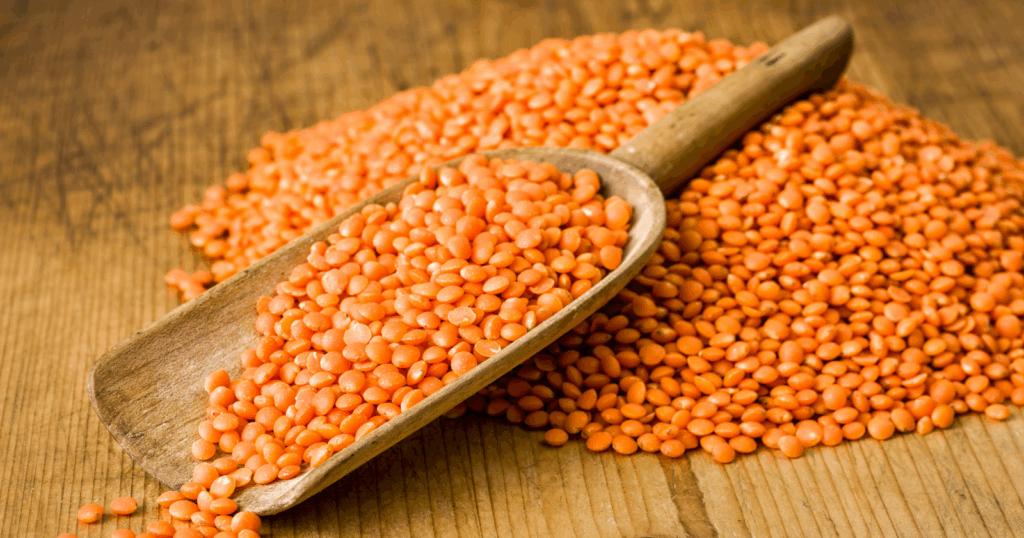
Red lentils cook in fifteen minutes and melt into the creamiest dal or pasta sauce that could fool any bolognese lover.
Green lentils keep their shape for salads that actually fill you up until dinner.
At two dollars per pound, they’re cheaper than pasta and packed with protein.
My system: Clear containers labeled with my favorite uses.
Red says, “coconut dal, pasta sauce.” Green says “salad, soup.”
When a container hits half empty, lentils go on my phone list immediately.
Visibility prevents the “I thought I had lentils” dinner disaster.
7) Greek yogurt
The real stuff. Full-fat.
It becomes breakfast with honey and walnuts, lunch as a sandwich spread mixed with herbs, dinner dolloped on spicy lentils, and dessert with a swirl of jam.
It enriches soup without curdling, marinates vegetables for grilling, and turns into frozen yogurt that rivals any ice cream.
My system: Biggest plain container available, never flavored since that’s just expensive jam.
Always a backup in the fridge.
When I open the backup, yogurt goes on the list.
This prevents the crushing disappointment of planning tzatziki only to find an empty container.
8) Paneer or halloumi
These non-melting cheeses changed my vegetarian game completely.
They grill, fry, and curry without disappearing into stringy mess.
Paneer cubes in spinach curry taste like Indian restaurant comfort food.
Grilled halloumi makes any salad feel like a complete meal.
My system: Both freeze perfectly. I buy multiple blocks on sale, portion them meal-sized, and freeze.
One block moves to the fridge when I use the last fresh one.
They thaw overnight and cook like fresh.
No more paying full price or going without.
9) Canned San Marzano tomatoes
Regular canned tomatoes taste like metal.
San Marzanos taste like summer.
Yes, they cost three times more, but we’re still talking about three dollars for sauce that tastes all-day simmered.
One can plus garlic and olive oil beats any jarred sauce.
My system: Case purchases online cut the per-can cost significantly.
Stack them visibly in the pantry.
At four cans remaining, reorder.
One open can always lives in the fridge for recipes needing half a can, preventing waste.
10) Nutritional yeast
The name is terrible but this ingredient creates the savory satisfaction that makes vegetarian food stick to your ribs.
It turns cashews into cheese sauce for mac and cheese that fools kids.
Sprinkled on popcorn with olive oil, it’s better than movie theater butter.
It gives everything that mysterious umami that makes people go back for seconds.
My system: A big bag from bulk bins, decanted into a jar by the stove.
Use it like a seasoning alongside salt and pepper.
When half empty, it goes on the list.
Keep it visible and you’ll use it daily.
The real magic happens in the system
These ingredients work because they eliminate decision paralysis.
Opening my pantry doesn’t trigger that “what’s for dinner” anxiety.
I see components that combine into meals without recipes or planning.
Chickpeas become curry. Lentils become dal. Tahini transforms whatever vegetables looked good at the market.
The secret isn’t the ingredients themselves but creating systems that maintain them automatically.
Set up your kitchen infrastructure this weekend.
Order in bulk what makes sense. Use clear containers. Create phone reminders. Establish backup triggers.
This isn’t just organization for organization’s sake.
It’s building a kitchen that produces genuinely impressive food without the mental gymnastics of constant meal planning.
The payoff extends beyond saving money or impressing dinner guests.
It’s that Thursday evening when everything feels overwhelming, and you still manage to create something nourishing and delicious from what seemed like nothing.
That’s when these humble ingredients reveal their true value: not as budget alternatives, but as the foundation of food that genuinely sustains us.
Comments