5 vegetarian dishes that are genuinely better at room temperature — perfect for summer tables and gatherings where nobody wants to hover over the oven

- Updated on May 03, 2026
Look, we’ve all been there. You’re hosting friends for lunch, and suddenly you’re trapped in the kitchen while everyone else is having actual conversations in the living room. Or worse, you’re bringing a dish to someone else’s gathering, and you watch it slowly congeal as it cools from its optimal serving temperature.
The truth about summer entertaining is that hot food and relaxed hosting rarely go together. You end up stressed, sweaty, and missing half the party. But here’s what changed everything for me: discovering that some dishes actually taste better when they’ve had time to rest at room temperature. The flavors marry, the textures settle, and somehow the whole thing just works better.
After years of cooking for gatherings, I’ve learned that the secret to being a present host isn’t about timing everything perfectly. It’s about choosing dishes that thrive when they’re not piping hot.
These five vegetarian dishes have become my go-to repertoire for summer tables. They’re all genuinely better after sitting for 30 minutes to an hour, which means you can focus on what matters: actually enjoying your own party.
1) Marinated chickpea and herb grain bowl
This dish taught me one of cooking’s most counterintuitive lessons: sometimes doing less gives you more. I discovered this particular combination during a particularly hot weekend when turning on the stove felt like an act of aggression against my already overheated kitchen.
Start with cooked farro or barley (cook it earlier in the day or even the night before). While it’s still warm, toss it with lemon juice, good olive oil, and a pinch of salt. This is crucial because warm grains absorb dressing like nothing else. Then fold in canned chickpeas that you’ve marinated for at least 20 minutes in garlic, cumin, and more lemon.
The magic happens as this sits. The grains drink up all those flavors while maintaining their chewy texture. Add torn herbs right before serving: mint, parsley, dill, whatever you have. The herbs stay bright green and aromatic instead of wilting into sadness like they would against hot grains.
What makes this dish brilliant for entertaining is its flexibility. Set out little bowls of extras like crumbled feta, toasted nuts, or pickled onions. Let people customize their own portions. It transforms a simple grain bowl into something interactive, and you’re not stuck portioning out individual plates.
2) Roasted vegetable caponata
Traditional caponata is one of those dishes that Italian grandmothers would make in massive batches, knowing it would only get better over the following days. My version respects that wisdom while cutting the active cooking time significantly.
Roast cubed eggplant, bell peppers, and zucchini at high heat until they’re properly caramelized. This front-loads the cooking effort when your kitchen can handle it, maybe early in the morning before the day heats up. Once roasted, combine them with sautéed onions, garlic, capers, olives, and a splash of good vinegar.
Here’s where patience becomes your friend. As this mixture cools to room temperature, something remarkable happens. The vegetables release their juices, creating a natural sauce. The sharp edges of the vinegar mellow out. The whole thing transforms from a collection of roasted vegetables into something cohesive and deeply flavored.
Serve it with crusty bread or crackers, and watch people go back for thirds. The beauty is that you can make this two days ahead. In fact, you should. It’s one of those rare dishes where procrastination actually improves the outcome.
3) Asian-inspired glass noodle salad
I learned that the Japanese concept of ma, or negative space, applies to cooking too. Sometimes what you leave out matters as much as what you include. This dish embodies that principle perfectly.
Cook glass noodles according to package directions, then rinse them under cold water immediately. This stops the cooking and prevents them from turning into a gummy mess. Toss them with sesame oil while they’re still slightly warm. They’ll absorb it better than when completely cold.
The vegetables here stay raw and crunchy: julienned carrots, thinly sliced cucumbers, snap peas cut on the diagonal. The contrast between the soft noodles and crisp vegetables is what makes every bite interesting. The dressing is simple: rice vinegar, soy sauce, a touch of sugar, and plenty of fresh ginger.
Room temperature is exactly where this dish wants to be. Cold from the fridge, the noodles seize up and the flavors go flat. Hot, and you lose that refreshing quality that makes it perfect for summer. After 30 minutes on the counter, everything finds its balance.
4) Mediterranean orzo with sun-dried tomatoes
This dish came from a happy accident. I’d overcooked orzo for another recipe and left it cooling while I figured out how to salvage it. An hour later, I realized it had transformed into something better than what I’d originally planned.
Cook orzo until just al dente, then drain and toss immediately with olive oil, lemon zest, and sun-dried tomatoes. The residual heat softens the tomatoes and releases their concentrated flavor throughout the pasta. Add chickpeas, crumbled feta, fresh basil, and pine nuts.
What makes this exceptional at room temperature is the texture. Hot orzo can be slightly sticky and overwhelming. Completely cold, it turns firm and loses its appeal. But at room temperature, it hits this sweet spot where each grain is distinct yet the whole dish feels cohesive.
The feta is key here. At room temperature, it’s creamy rather than crumbly, creating pockets of richness throughout the dish. This is comfort food that doesn’t weigh you down, substantial enough to be a main dish but light enough that people actually want seconds on a warm day.
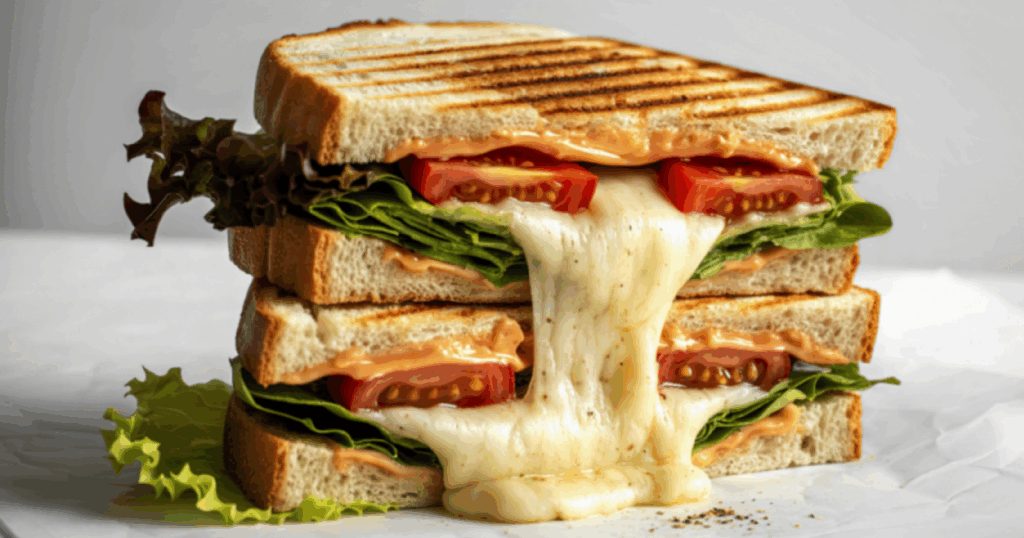
5) Pressed sandwich tower with grilled vegetables
This isn’t technically a single dish, but rather a strategy that revolutionized how I handle summer gatherings. Think of it as an edible monument to advance preparation.
Start with good bread, something sturdy like ciabatta or focaccia. Grill vegetables earlier when you have time: eggplant, zucchini, peppers, whatever looks good at the market. Layer these with spreads like hummus, pesto, or olive tapenade, add fresh mozzarella or goat cheese, and include fresh elements like arugula or basil.
Build your sandwich, wrap it tightly in plastic wrap, and weigh it down with something heavy. A cast iron pan works perfectly. Let it sit for at least an hour, up to four. The bread absorbs all the flavors while maintaining enough structure to hold everything together. The cheese reaches the perfect consistency, and the vegetables meld into layers of concentrated flavor.
Cut it into smaller portions just before serving. Each piece holds together perfectly, no sliding vegetables or dripping sauces. It’s the antithesis of a stressed host trying to assemble individual sandwiches while guests wait.
Making peace with room temperature
Learning to embrace room temperature food has taught me something bigger about hosting and, honestly, about life. We often exhaust ourselves trying to maintain some impossible standard of perfection, when stepping back actually yields better results.
These dishes prove that good food doesn’t always need to be served at temperature extremes. They give you permission to cook when it suits you, not when the social timeline demands it. They let you be present at your own gathering instead of performing some elaborate kitchen ballet.
The next time you’re planning a summer gathering, resist the urge to create a complex timeline of what needs to come out of the oven when. Choose one or two of these dishes instead. Prepare them in advance, let them rest at room temperature, and spend that extra time actually connecting with the people you’ve invited over.
That’s the real wisdom here. Food at its best brings people together. And you can’t bring people together if you’re stuck in the kitchen, watching the clock, worried about serving temperatures. Sometimes the best thing you can do for a dish, and for yourself, is simply let it be.
Comments