How to roast cauliflower so it actually tastes like something worth making — the technique that turns a boring vegetable into the best thing on the table

- Updated on Apr 21, 2026
For years, cauliflower was the vegetable I’d buy with good intentions, then watch slowly turn yellow in my crisper drawer. That changed during a trip to a hole-in-the-wall restaurant, where an elderly cook served me a plate of roasted cauliflower that completely rewired my brain.
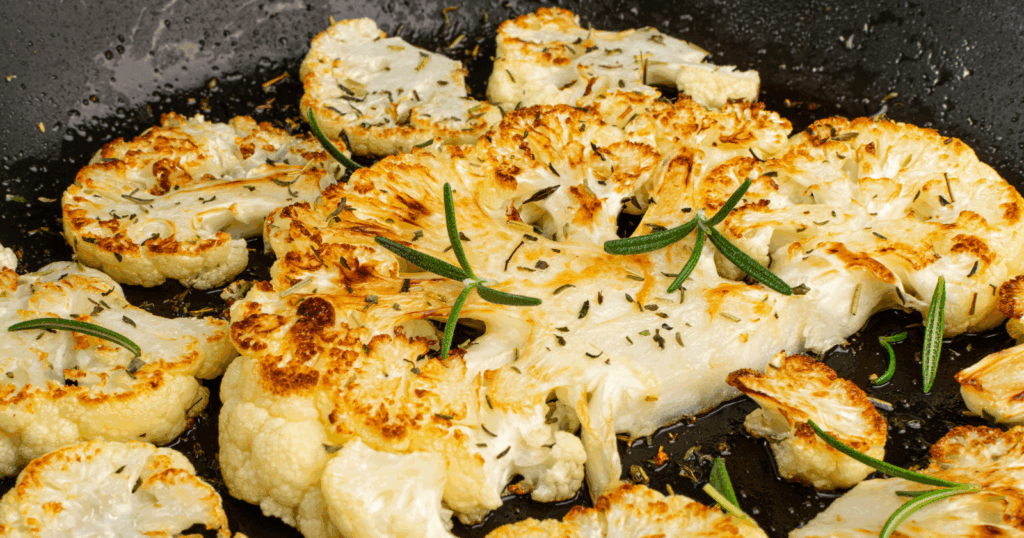
Golden brown, crispy edges, nutty and sweet, with this incredible depth of flavor that made me question everything I thought I knew about vegetables. I spent the next hour pestering him through broken translations and his patient English, learning that the secret wasn’t some exotic spice blend. It was technique, pure and simple.
Since then, I’ve probably roasted hundreds of heads of cauliflower, turning what used to be my least favorite vegetable into something David requests at least once a week. The transformation that happens in a hot oven is nothing short of alchemy. And here’s the thing: most recipes get it completely wrong.
The biggest mistake everyone makes with cauliflower
You’ve probably seen those sad, pale cauliflower florets swimming in their own steam on a crowded baking sheet. That’s where most home cooks go wrong right from the start.
Cauliflower is mostly water, and when you trap all those florets together at a moderate temperature, they steam instead of roast. You end up with mushy, flavorless disappointment that reinforces why people think cauliflower is boring.
The real problem is that we treat cauliflower too gently. This vegetable needs aggressive heat and plenty of space to develop those caramelized edges that completely transform its flavor profile. When cauliflower browns properly, the natural sugars concentrate and develop this incredible nuttiness that rivals any fancy restaurant dish.
I learned this lesson the hard way, spending months wondering why my roasted vegetables never tasted like the ones I’d fallen in love with. Then one day, running late and impatient, I cranked my oven to 475°F instead of the usual 375°F. The result was revelatory. Those high temperatures force the moisture out quickly, allowing the surfaces to brown and crisp while the inside stays tender.
Cut it right or forget about it
The way you cut cauliflower determines whether you get crispy gold or soggy beige. Forget those tiny florets that every recipe tells you to make. You want substantial pieces with flat surfaces that can make full contact with your baking sheet.
I slice my cauliflower into thick steaks, about three-quarters of an inch thick, cutting straight through the core to keep everything intact. Yes, you’ll have some crumbly bits that fall off. Save those for something else or roast them separately as a cook’s snack.
The steaks are where the magic happens. Each piece gets maximum surface area for browning while the core holds everything together, creating this beautiful contrast of textures.
When I can’t get good steaks from the curved sides, I cut those sections into large, chunky wedges. The key is keeping pieces big enough that they won’t dry out before they caramelize. Think of it like this: you’re not trying to make bite-sized pieces for eating. You’re creating platforms for flavor development.
The oil situation that changes everything
Most recipes tell you to drizzle oil over your vegetables. That’s wrong. Dead wrong. You need to absolutely drown your cauliflower in oil, way more than feels reasonable. I’m talking about a solid three to four tablespoons for one head of cauliflower. The oil isn’t just for preventing sticking. It’s a heat conductor that helps create that crispy, golden crust.
But here’s where it gets interesting. The type of oil matters less than how you apply it. I use basic olive oil, not the expensive extra virgin stuff that’ll smoke at high temperatures. The trick is to really work it into every crevice. I use my hands, massaging the oil into the cauliflower like I’m giving it a deep tissue massage. This hands-on approach ensures every surface gets coated, which means even browning and no dry, burnt spots.
There’s something meditative about this process, actually. Working with your hands connects you to the food in a way that using utensils never can. It’s become part of my evening cooking ritual, this simple act of preparing vegetables with intention and care.
Temperature tricks that professional chefs won’t tell you
Start with a screaming hot oven. I preheat mine to 475°F, sometimes even 500°F if I’m feeling bold. Place your baking sheet in the oven while it preheats. This is crucial. When that oiled cauliflower hits the hot metal, it starts sizzling immediately, jump-starting the browning process.
Here’s something I discovered by accident: don’t flip your cauliflower halfway through. I know every recipe says to toss vegetables for even cooking, but cauliflower is different. Leave those steaks alone for a solid 25 to 30 minutes. Let that bottom surface get deeply caramelized, almost burnt-looking. The top will cook through from the ambient heat, staying tender while the bottom develops that incredible crust.
Only in the last five minutes do I flip everything, just to kiss the other side with some color. The result is cauliflower with distinct textures and concentrated flavors that make people ask what seasoning blend you used, when really, it’s just salt and proper technique.
Seasoning strategies that actually work
Salt your cauliflower generously before it goes in the oven. I mean generously. The salt draws out moisture, which seems counterintuitive, but that moisture evaporates quickly in the hot oven, leaving behind concentrated flavor. I use about a teaspoon of kosher salt per head of cauliflower, which sounds like a lot until you taste the result.
After roasting, while the cauliflower is still hot, that’s when you add your flavor boosters. A squeeze of lemon juice, a sprinkle of smoked paprika, maybe some torn herbs from the balcony garden. The residual heat helps these flavors meld with the caramelized surfaces. Sometimes I’ll add a drizzle of tahini or a scatter of toasted sesame seeds, inspired by that original dish.
But honestly? When you nail the technique, plain roasted cauliflower with just salt and oil is absolutely transcendent. It’s one of those simple pleasures that reminds you that good cooking isn’t about complicated recipes or exotic ingredients. It’s about understanding your ingredients and treating them right.
Making this part of your routine
Perfect roasted cauliflower has become my Sunday meal prep staple. I’ll roast two or three heads at once, using every rack in my oven. The leftovers transform throughout the week. Monday’s grain bowl base, Wednesday’s pasta addition, Friday’s side dish when friends come over. Each time I reheat it in a hot skillet, it gets a little crispier, a little more concentrated in flavor.
This technique works because it respects the vegetable’s nature instead of fighting against it. You’re using high heat to force a transformation, creating something entirely new from something ordinary. There’s a life lesson in there somewhere about applying the right kind of pressure to create positive change, but I’ll let you draw your own conclusions.
Your cauliflower awakening starts now
The difference between mediocre roasted cauliflower and the mind-blowing version is just a matter of technique. Higher heat, bigger pieces, more oil, and the patience to let it properly caramelize. These aren’t complicated chef secrets or fancy equipment requirements. They’re simple adjustments that completely change the outcome.
Next time you’re at the grocery store, grab a head of cauliflower. Not because you should eat more vegetables, but because you deserve to experience what this humble vegetable can become when you treat it right.
That first bite of properly roasted cauliflower, with its crispy edges and sweet, nutty interior, will make you understand why I went from avoiding this vegetable to making it the star of my dinner table.
Trust the process, embrace the high heat, and prepare to never look at cauliflower the same way again. Once you master this technique, you’ll find yourself applying the same principles to every vegetable in your crisper drawer. But start with cauliflower. It’s the gateway vegetable to a whole new way of cooking.
Comments