The vegetarian frittata I make on Sunday that solves breakfast, lunch, and a snack for the next three days

- Updated on May 02, 2026
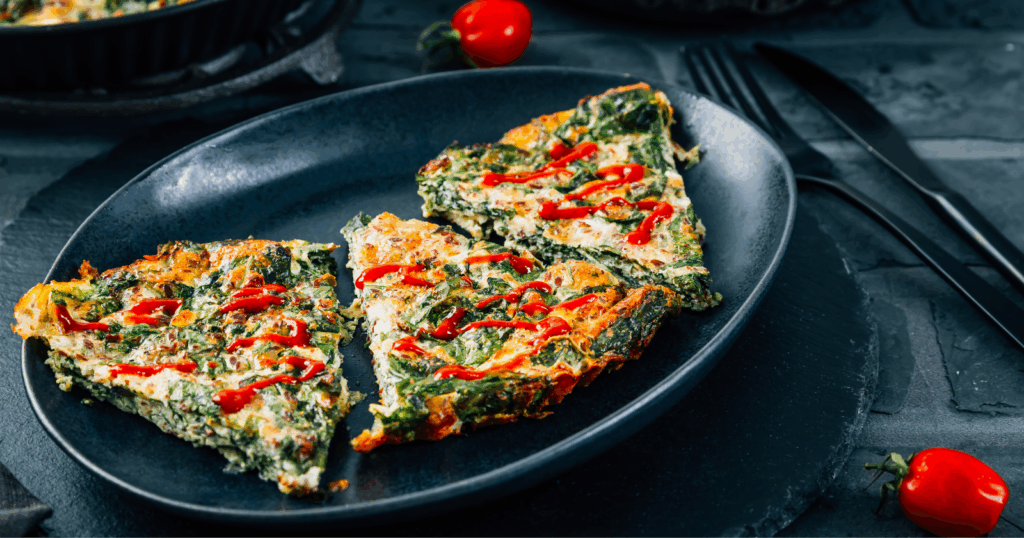
Sunday afternoon, kitchen windows fogged with steam, and I’m sliding my third frittata of the month into the oven. This one’s packed with roasted red peppers, spinach, and sharp cheddar, and I already know exactly how I’ll eat it over the next three days.
A warm wedge with toast for Monday’s breakfast. Tucked into a grain bowl for lunch on Wednesday. Cut into squares for that 3 p.m. slump when I need something more substantial than an apple.
The beauty of a good frittata isn’t just its versatility. Twenty minutes of actual work on Sunday gives me at least six meals throughout the week. That’s the kind of return on investment my former marketing brain can’t resist, and my current life with a baby who thinks 5 a.m. is a perfectly reasonable wake time absolutely demands.
Why this frittata changes everything
I’ve been making this particular version for years now, tweaking it slightly with the seasons. Summer brings zucchini and cherry tomatoes. Autumn gets roasted butternut squash and sage. But the foundation stays the same: eight eggs, good cheese, whatever vegetables are looking promising, and enough substance to keep me satisfied whether I’m eating it warm from the pan or cold from the container three days later.
The trick to a frittata that actually solves your meal planning isn’t just the recipe. You need to think through how you’ll use it. Mine always starts on the stovetop in my largest oven-safe skillet, building layers of flavor before the oven does its work. I learned early on that a frittata cooked entirely in the oven lacks that golden crust on the bottom, the bit that holds up when you’re packing it for lunch or reheating it for the third time.
The recipe that works every single time
Here’s what goes into my current favorite: I start by roasting red peppers until they’re properly charred, then peel and slice them into ribbons. While they’re cooling, I sauté a generous amount of spinach with garlic until it wilts down to almost nothing. You need more than you think, always. The eggs get whisked with a splash of milk, salt, pepper, and whatever herbs I have going in my kitchen window garden. Usually thyme, sometimes oregano.
The assembly is where people often go wrong. You need your pan hot enough to set the bottom quickly but not so hot that it burns before the middle cooks through. I pour the eggs over the sautéed vegetables, let them set for about three minutes on the stovetop, then scatter cheese across the top. Sharp cheddar during the week, sometimes gruyère if I’m feeling fancy. Then the whole thing transfers to a 375°F oven.
Fifteen minutes later, it emerges puffed and golden, smelling like the reason I don’t mind meal prep. I let it cool completely before cutting because a frittata that’s been allowed to settle slices cleanly, travels well, and reheats evenly. This is crucial when you’re planning to eat it in various forms throughout the week.
How to actually eat it for three days straight
Monday morning’s slice gets the full treatment: warmed in the toaster oven, served with good sourdough and a dollop of Greek yogurt mixed with herbs. It’s a proper breakfast that takes all of three minutes to pull together, which matters when you’re trying to eat something decent before the baby wakes up from his morning nap.
By lunch, I’m ready for something different. I pack a container with leftover quinoa, some raw vegetables like cucumber and cherry tomatoes, and a cold frittata wedge cut into bite-sized pieces. A tahini dressing ties it all together. The frittata acts like a vegetarian protein, substantial enough that I’m not hunting for snacks an hour later.
Wednesday afternoon usually finds me with the last quarter, which I cut into squares and eat at room temperature as a snack. It’s infinitely better than the granola bar I’d otherwise grab, and substantial enough to bridge the gap between lunch and dinner when I’m trying to finish an article before starting the evening routine.
Sometimes I’ll fold a slice into a wrap with hummus and greens for a portable lunch. Other times I’ll crumble it over a salad for extra protein. I’ve even been known to tuck a piece between two slices of bread with some arugula and mustard for the world’s easiest sandwich.
The variations that keep it interesting
Once you understand the formula, the variations are endless. Mushroom and goat cheese with fresh dill. Caramelized onion and gruyère with thyme. Roasted broccoli and aged cheddar with a touch of mustard powder in the eggs. Each one follows the same pattern: vegetables that won’t release too much water, cheese with enough flavor to stand up to reheating, herbs that brighten the whole thing up.
Spring calls for asparagus and peas with ricotta and mint. Winter demands roasted root vegetables with aged cheddar and rosemary. I’ve made Mexican-inspired versions with black beans, jalapeños, and pepper jack. Mediterranean ones with sun-dried tomatoes, olives, and feta. The base technique never changes, just the flavors dancing through it.
The key is choosing vegetables that have had most of their moisture cooked out already. Raw tomatoes will make your frittata watery. Roasted tomatoes concentrate their flavor and won’t weep into your eggs. Same goes for mushrooms, zucchini, and bell peppers. A quick sauté or roast beforehand makes all the difference.
Making it work for your actual life
What I’ve learned from making dozens of these is that the best frittata isn’t necessarily the one you serve immediately at a dinner party, though they’re brilliant for that too. It’s the one that makes your Wednesday self grateful to your Sunday self. It’s the one that means you’re eating actual vegetables at breakfast without having to think about it.
The recipe scales beautifully too. When I’m being really strategic, I’ll make two at once with different vegetables and different cheeses, then freeze one in portions. There’s something deeply satisfying about knowing there’s homemade breakfast in the freezer, ready to defrost overnight and warm up in the morning.
You might have read my post on batch cooking, and this fits perfectly into that philosophy. But unlike meal prepping entire dinners, a frittata doesn’t feel like you’re eating the same thing repeatedly. It transforms based on what you pair it with, how you serve it, whether you eat it hot or cold.
This kind of cooking is intentional and practical but still genuinely good. It gets me through weeks when meal planning feels like another task on an endless list. It’s not about perfection or Instagram-worthy presentations. It’s about feeding yourself well with minimal fuss, maximum flavor, and the kind of efficiency that makes weekday mornings feel manageable.
The ritual that makes it sustainable
Next Sunday, I’ll probably switch things up. Maybe roasted cauliflower with cumin and feta, or caramelized leeks with gruyère. But the ritual remains the same: twenty minutes of chopping and stirring while music plays and coffee brews, then three days of meals that don’t require any morning creativity or afternoon desperation.
I’ve come to love this Sunday afternoon routine. It’s become a moment of calm preparation, a way to take care of my future self while enjoying the present moment. The kitchen smells amazing, I can listen to a podcast or dance to music while I cook, and I know I’m setting myself up for success.
The real gift of a good frittata isn’t just the eggs and cheese and vegetables. It’s the space it creates in your week for everything else. It’s one less decision to make on a hectic morning. It’s knowing you have something nourishing ready when hunger strikes. It’s the quiet satisfaction of opening your fridge and seeing solutions instead of ingredients.
That’s what this simple egg dish has become for me. Not just a recipe, but a practice. Not just a meal, but a strategy. And definitely not just breakfast, but a delicious answer to the eternal question of what to eat for the next three days.
Comments